
Bold. Innovative. Dedicated.
Leadership
Oxia is powered by a leadership team that brings together some of the most accomplished minds in modern biotechnology. Our executives and scientific leaders have spent their careers advancing breakthrough therapies and building organizations that set new standards in medicine. They are supported by a board of renowned researchers, biotech pioneers, and experienced investors who share a commitment to pushing science forward with clarity, integrity, and vision. Together our team reflects the curiosity, rigor, and purpose that define Oxia and guide our mission to transform modern medicine.
Management
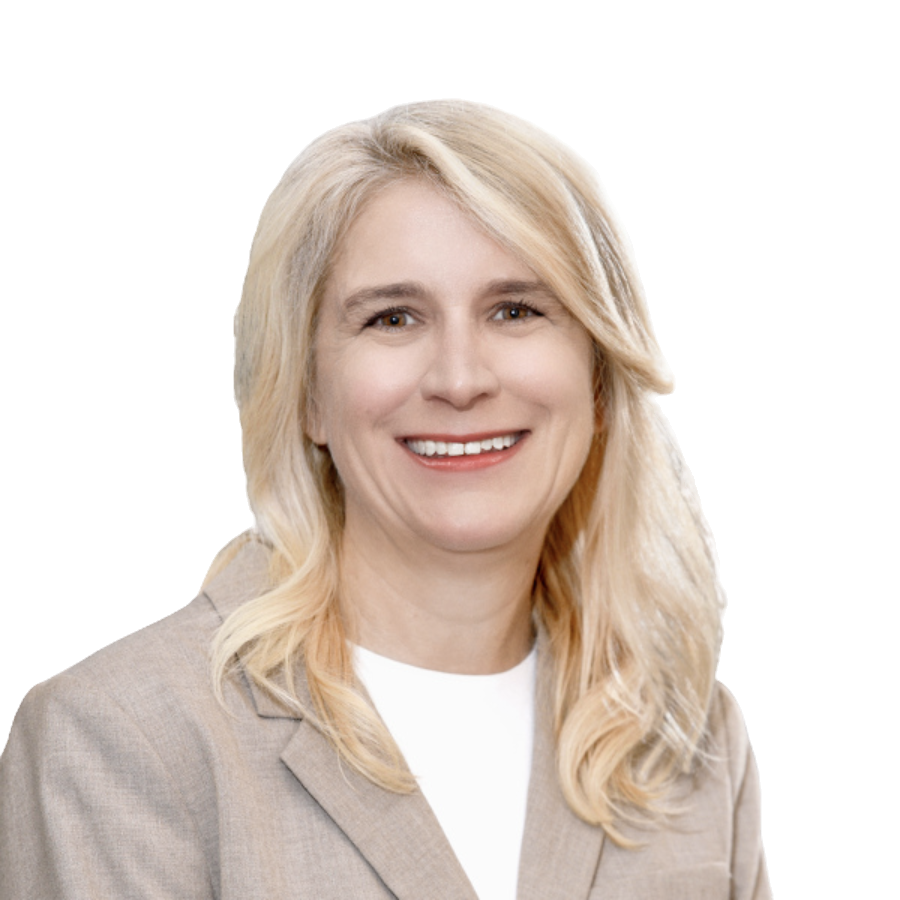
Lisa McClendon, Ph.D.
Chief Science Officer

John Thomas
CFO

William Haseltine, Ph.D.
Scientific Advisor
Board of Directors

Steve Gorlin
Founder and Board Member

Lee Fleisher,MD, ML
Executive Chairman

Robert B. Millard
Board Member

Clifford Dacso, MD, MPH, MBA
Board Member

Roland Peralta
Board Member

The Enduring Legacy of Dr. Bert
O'Malley Sr. (1936-2025)
Dr. Bert W. O’Malley Sr. devoted his life to understanding how hormones and genes shape human biology. A pioneering giant in molecular endocrinology, he authored more than 700 scientific papers, trained generations of scientists, and was widely regarded as the “founding father of endocrinology”. His discoveries transformed modern medicine and influence the way Oxia approaches cellular repair, resilience, and recovery. His legacy lives on in the Oxia mission to move beyond disease-specific approaches and focus instead on restoring the body’s inherent capacity to protect and repair itself. We are honored to build on the scientific principles he uncovered. His vision continues to guide our belief that healing begins at the cellular level and that unlocking intrinsic repair can change the future of patient recovery.